There’s a unique magic that settles over your housing plot in Palia as the sun dips behind the mountains of Kilima Valley. It’s not just the golden hour light or the chirping of the crickets; it’s the profound sense of peace that comes from standing on the porch of a home you built with your own two hands. This is the soul of Furniture Making, the skill that transforms a simple plot of land into a personal sanctuary and a vibrant expression of your journey in this world. While other skills fill your pockets or your focus bar, furniture making fills your heart, allowing you to craft not just objects, but memories and a legacy of coziness.
This guide will walk you through your first steps with the Furniture Making Skill, game mechanics, progression, and leveling strategies.
Finding Tish
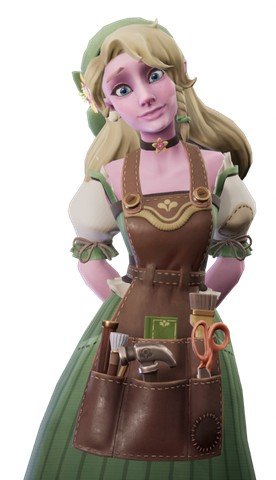
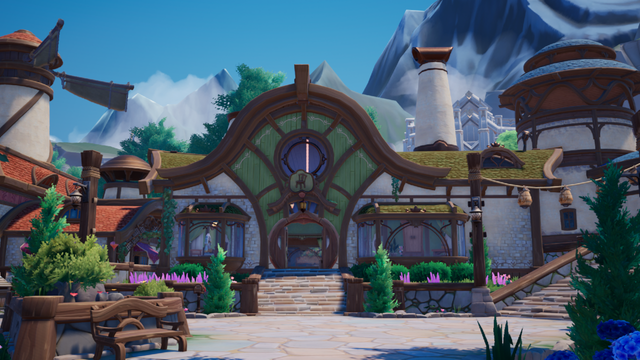
Your guide is the wonderfully creative and encouraging Tish, the owner of the Furniture Store in Kilima Village. Your journey officially begins with the quest Brick by Brick during Happy Home, Happy Life, which introduces you to Tish and the fundamentals of Furniture Making. Speaking with her is not just a tutorial; it’s an invitation into a community of creators. She’ll provide you with your first recipes and set you on a path to creating your first humble pieces, instilling in you the belief that every grand estate begins with a single, well-placed chair.
The core philosophy of Furniture Making is beautifully simple: create, decorate, and repeat. Unlike other skills, your creations aren’t for selling but for surrounding yourself with beauty and comfort. The process is a satisfying cycle: you gather raw materials like 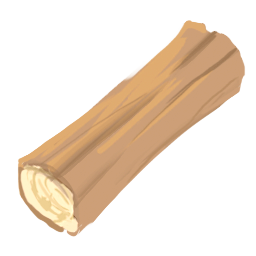 Sapwood from trees and
  Stone from mining, refine them into planks and bricks at crafters like the Sawmill, and then bring them to your Worktable to be transformed into everything from a simple stool to an elaborate. Each piece you craft earns you skill experience (XP), gradually unlocking new possibilities and recipes.
Tish Locartions:

| Time | Location |
|---|---|
| 6:00 AM | Walks from Tish’s Room in her house (Tish’s House) to the big tree off the path near Fisherman’s Lagoon. |
| 9:00 AM | Walks to the Furniture Store. |
| 5:00 PM | Leaves the Furniture Store and walks to the Tailor to visit with Jel and Reth. |
| 10:00 PM | Leaves the Tailor and walks back to Tish’s House to sleep. |
- Essential Starter Tips:
- Find Tish Immediately: Upon arriving in Kilima, make finding Tish and her shop your first priority. Completing her introductory quest is the gateway to the entire skill.
- Embrace the Grind: Initially, your focus should be on gathering vast quantities of
 Sapwood and Stone. These are the foundational materials for almost all early-game furniture.
 - Craft Everything Once: Don’t just make one chair and stop. Craft every new recipe you unlock at least once to discover more recipes within the same collection.
Leveling and Recipes
Efficient Leveling

Progressing in Furniture Making is a test of patience and strategy. A common misconception is that more complex furniture grants more XP, but the reality is that all furniture pieces grant the same amount of XP upon completion. This revelation is a game-changer for your strategy. It means that the fastest way to level up is not by painstakingly gathering rare materials for a single epic piece, but by mass-producing simpler items that use readily available resources.
Your most powerful leveling tool, especially in the early game, is the “Craft All” button. Once you have a healthy stockpile of Sapwood Planks, find a recipe that uses them efficiently—like the 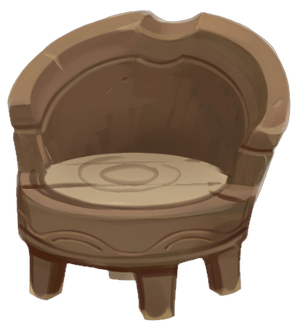 Homestead Cozy Chair or
 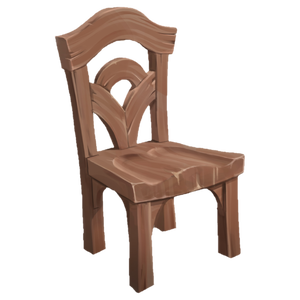 Kilima Inn Dining Chair—and queue up as many as your materials allow. Let your character craft while you step away for a moment; you’ll return to a significant chunk of XP and a newfound appreciation for the humble chair. As you level up, be sure to regularly check in with Tish, as leveling unlocks access to new recipes in her Guild Store and grants access to new quests that offer bonus XP and introduce you to rarer designs.
Unlocking Early-Game Recipes
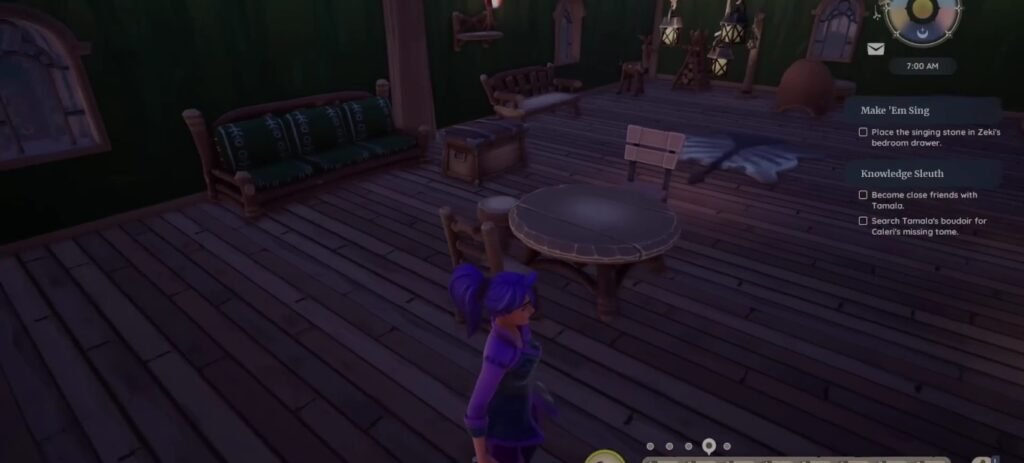
Your repertoire of designs will grow organically as you immerse yourself in the craft. There are several primary ways to unlock new furniture recipes, each with its own sense of discovery and accomplishment:
- Purchase from Tish’s Guild Store: This is your most reliable source. Once you reach Furniture Making Level 2, Tish’s Guild Store opens, offering a rotating selection of recipes for purchase with gold.
- The Collection Discovery System: This is one of the most delightful mechanics in Furniture Making. When you craft a new item for the first time, you will often see a thought bubble appear above your head with the silhouettes of 1-2 other items from the same collection. Selecting one of these silhouettes instantly and freely unlocks that recipe, creating a rewarding chain of discovery that encourages you to craft every piece in a set.
- Villager Quests and Friendship: Deepening your bonds with the villagers of Kilima can sometimes yield furniture or recipes as rewards, making socializing another path to a more beautiful home.
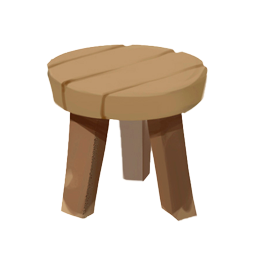
Essential Early-Game Furniture for Efficient Leveling

Tools and Customization
Building Your Workshop
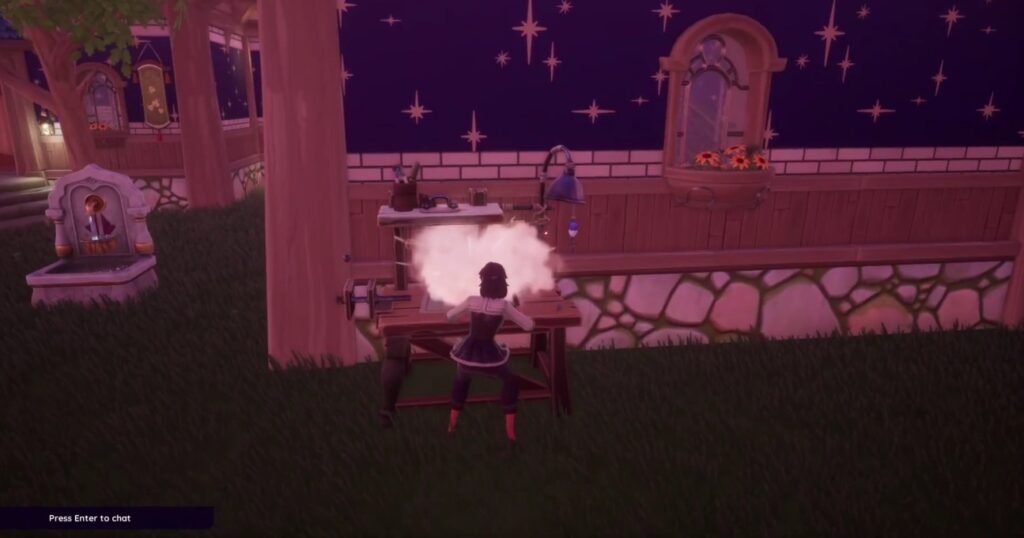
A chef needs a kitchen, and a furniture maker needs a workshop. Your effectiveness is directly tied to the crafters you place on your housing plot. The  Worktable is your home’s heart, but it’s just the beginning. As you progress, you’ll unlock blueprints for specialized stations that transform raw materials into refined components, each opening up new aesthetic possibilities for your creations.
The following table outlines the core stations you will need to build a fully functional workshop:
| stations Name | Primary Function | Key Crafting Materials |
|---|---|---|
Worktable | The core station for crafting all furniture pieces. | Available from the start. |
 Sawmill | Refines Sapwood and Heartwood into Sapwood Planks and Heartwood Planks. | Basic Sawmill: x30 Sapwood, x8 Flint, x10 Plant Fiber Heavy Sawmill: 1 Basic Sawmill, x30 Heartwood Plank, x4 Iron Bar, x5 Ceramic |
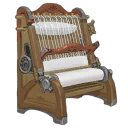 Fabric Loom | Weaves Plant Fiber into Fabric, essential for upholstered furniture. | x15 Sapwood Plank, x20 Plant Fiber, x2 Copper Bar, x5 Ceramic. |
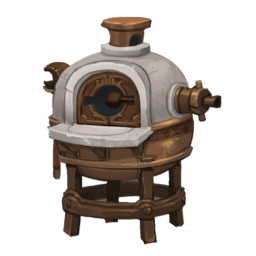 Glass Furnace | Smelts ore and sand into Glass Bulbs and Panes for windows and lamps. | x12 Stone Brick, x2 Copper Bar, x3 Ceramic, x2 Flint. |
The Modification Bench

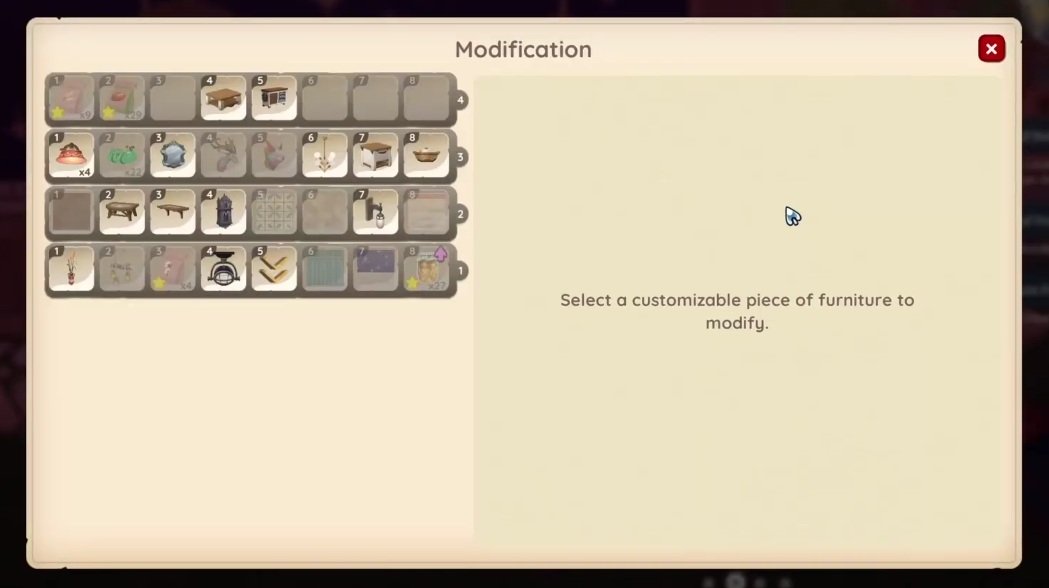
Once you’ve mastered the basics of construction, the Tint Crafter becomes your tool for true artistic expression. This specialized station allows you to change the color palette and style of many furniture pieces you’ve already crafted. The process is simple but transformative: place the bench on your plot, purchase Furniture Modification Kits from Tish’s Store, and then interact with the bench to apply new hues and finishes to your placed furniture. It’s important to note that not every piece can be modified, but for those that can, it offers an incredible depth of personalization, allowing you to create a cohesive theme throughout your home without having to craft all-new items.
Strategies and Philosophical Insights
Smart Resource Management
The true mark of an experienced crafter is not just what they build, but how they manage their resources. Since furniture cannot be sold, over-crafting can lead to a cluttered inventory and wasted materials. The key is to craft with purpose. Are you leveling up? Mass-produce simple chairs. Are you decorating a specific room? Craft only what you need for that space. Plan your large projects in advance and gather materials specifically for them, which makes resource-gathering trips more focused and efficient.
Furthermore, developing a multi-skill mindset is crucial. Furniture Making doesn’t exist in a vacuum. You’ll need to level up your Foraging skill for a steady supply of wood, your Mining skill for stone, copper, and iron, and even your Hunting skill for 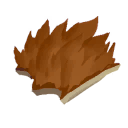 Fur and
 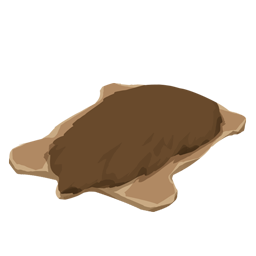 Sernuk Hides used in many recipes. Viewing Furniture Making as the culmination of your other efforts makes the entire gameplay loop feel interconnected and meaningful.
The Deeper Meaning: Why We Craft
It’s easy to get caught up in the grind for levels and rare recipes, but it’s worth pausing to remember why this skill is so special in Palia. In a world where other skills are directly tied to economic progression, Furniture Making is a pure act of self-expression and community. It is Palia‘s love letter to the “cozy” genre. Your home is a quiet testament to your journey, filled with pieces that each tell a small story—the first bed you ever crafted, the elegant dining set you saved up for, the quirky Log Cabin Garden Sernuk you placed by your front door just because it made you smile.
This skill also fosters community in subtle ways. Visiting other players’ plots to see their designs is a popular social activity, inspiring new ideas and sparking conversations. There’s a shared language among players who have spent hours perfecting their layout or hunting for that one final recipe to complete a collection. Furniture Making, at its core, is about creating a personal haven in a shared world, and that is its own greatest reward.
Final Thoughts
Furniture Making in Palia is a journey without a final destination. There will always be a new recipe to discover, a new room to decorate, or a new customization to try. It is the skill that most embodies the spirit of Palia: growth through creativity, satisfaction through patience, and community through shared beauty.