Stepping into the world of Tyria is like opening a grimoire of endless possibilities—where the whisper of the Mists echoes through every combat decision, and your build becomes an extension of your strategic mind. Unlike traditional MMOs that tether you to rigid rotations and predetermined roles, Guild Wars 2 celebrates creative expression through its fluid combat and deeply customizable build system.
This guide is your map to the best builds for PvE in Guild Wars 2, the S-tier choices for Dungeons, Raids, and general PvE content.
The Best Builds for PvE
Quickness Builds
Condition Quickness Firebrand

Ths build is the reassuring heartbeat of many squads. Tomes give you generous control over stability, aegis, cleanses, and projectile hate—exactly the “do-everything” toolkit you want when pugs are learning a fight or your static wants to push speedkills without playing chicken with mechanics.
Equipment and Build Details:
- Gear Stats: Ritualist’s stats are core to the build, providing Condition Damage, Expertise (Condition Duration), and Concentration (Boon Duration). Mix in Viper’s and Sinister pieces for more damage.
- Weapons: Pistol/Torch and Pistol/Pistol are the standard. If you don’t own the Secrets of the Obscure expansion, Axe/Torch is the best alternative.
- Key Skills: Your quickness generation comes from
 Mantra of Potence and “Feel My Wrath!”. Mantra of Flame is a key damage skill. Purging Flames is a high-damage utility skill that can be swapped for other utilities like “Stand Your Ground!” for Stability or Wall of Reflection as needed
 Mantra of Potence and
  “Feel My Wrath!”.
  Mantra of Flame is a key damage skill.
  Purging Flames is a high-damage utility skill that can be swapped for other utilities like
  “Stand Your Ground!” for Stability or
  Wall of Reflection as needed
Celestial Quickness Firebrand
The Celestial Quickness Firebrand is a versatile support build that provides permanent Quickness and other key boons while dealing hybrid damage and offering substantial healing . It’s an excellent choice for group content where a full healer is unnecessary, as it brings a great mix of offense and defense.
Equipment and Build Details:
- Gear: Full Celestial stats on all armor pieces, trinkets, and weapons for a balanced mix of offensive and defensive power.
- Relic: Relic of the Flock is recommended in the primary raid build.
- Weapons: The standard setup is Axe/Torch for damage and Staff as a secondary set for extra healing and might generation . Other weapons like Pistol (for extra defiance bar damage) or Shield (for more Aegis) can be situationally slotted in.
- Key Traits: The build utilizes the Firebrand specialization alongside Honor and Virtues for enhanced support and damage
Power Quickness Scrapper
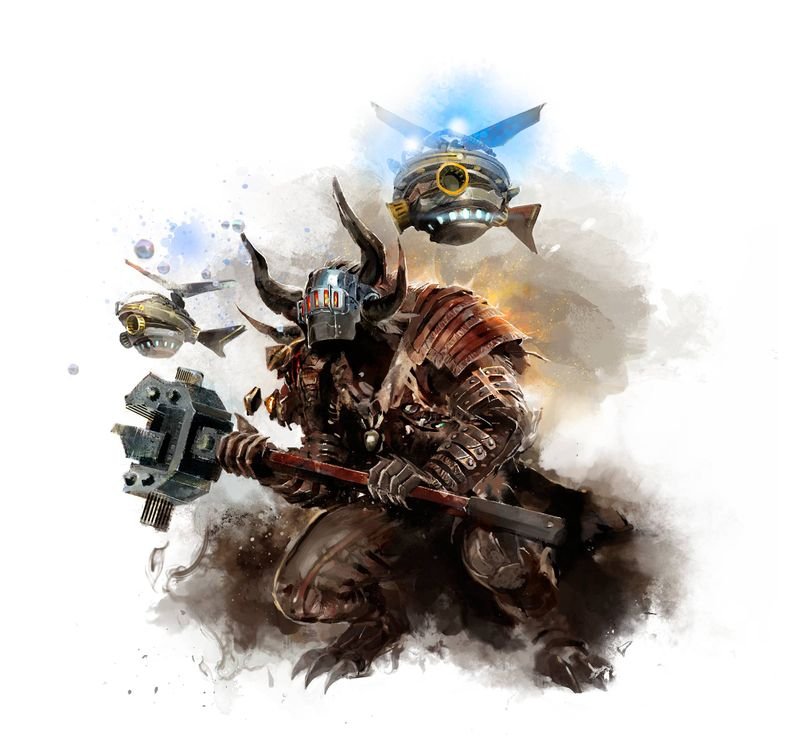
The Power Quickness Scrapper is a powerful offensive support build that provides permanent Quickness and Superspeed to a group while dealing strong direct damage, making it an excellent choice for all types of group PvE content.
Equipment and Build Details:
- Gear Stats: Primarily Berserker’s stats for maximum power damage. One or two pieces of Dragon’s stats can be used for a minor damage increase . The build is designed to provide 100% Quickness uptime with zero boon duration investment, relying entirely on the Kinetic Accelerators trait.
- Relic: Relic of Bloodstone is best in slot for its significant damage boost after performing four blast finishers . Relic of Fireworks is a strong alternative if you do not own the required expansion.
- Weapons: Hammer is the core weapon, providing mobility, crowd control, and multiple combo finishers.
- Key Skills and Kits: Key utility skills include Grenade Kit and Bomb Kit for high damage, and Throw Mine for its blast finisher and crowd control. Elite Mortar Kit is the standard elite skill, offering ranged options and extra combo fields.
 Grenade Kit and
  Bomb Kit for high damage, and
  Throw Mine for its blast finisher and crowd control.
  Elite Mortar Kit is the standard elite skill, offering ranged options and extra combo fields.
Power Quickness Herald

The Power Quickness Herald build is an offensive support build that provides permanent Quickness and other key boons to its subgroup while dealing strong power-based damage. It is known for being an excellent and easy-to-learn introduction to the boon support role.
Equipment and Build Details:
- Gear Stats: The build uses Berserker’s stats for maximum power damage. One piece of Dragon’s stats (typically the backpiece) is used to help meet critical chance requirements.
- Relic: Relic of the Thief is the standard choice.
- Weapons: The highest damage setup is Greatsword and Sword/Sword . Staff can be taken as an alternative weapon set when extra crowd control (CC) is needed.
- Legends: You will primarily alternate between Legendary Dragon Stance (Glint) and Legendary Assassin Stance (Shiro). Other legends like Legendary Dwarf Stance (Jalis) can be situationally used for stability or additional damage reduction.
 Legendary Dragon Stance (Glint) and
  Legendary Assassin Stance (Shiro). Other legends like
  Legendary Dwarf Stance (Jalis) can be situationally used for stability or additional damage reduction.
Alacrity Builds
Condi Alacrity Mechanist
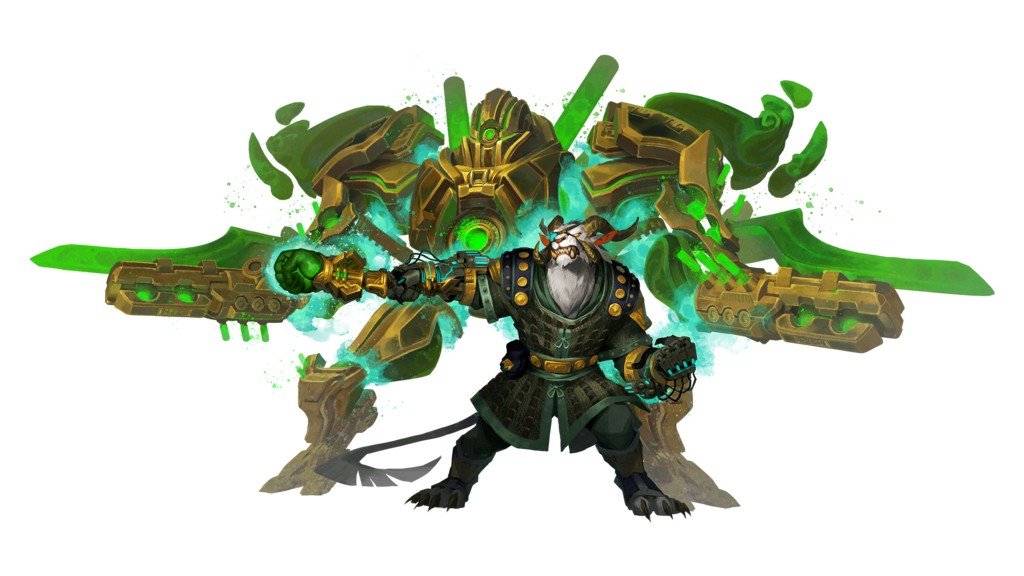
The core goal of Condi Alacrity Mechanist build is to provide permanent Alacrity to your subgroup while dealing respectable condition DOT damage. Its gameplay is fluid and considered one of the more accessible support roles to learn.
Equipment and Build Details:
- Gear Stats: The build primarily uses Ritualist’s stats, which provide Condition Damage, Expertise (Condition Duration), Concentration (Boon Duration), and Vitality. This combination allows you to easily maintain 100% Alacrity uptime while being naturally durable. Some builds mix in Viper’s accessories for more damage.
- Weapons: The Spear (from the Janthir Wilds expansion) is the best-in-slot weapon for its high damage and synergy with condition traits. For players without the expansion, Pistol/Pistol or Mace/Pistol are excellent ranged and defensive alternatives, respectively.
- Key Traits: The build relies on the Mechanist specialization with Mech Core: Barrier Engine (for Alacrity generation) and Mech Arms: Single-Edge Cutters (for condition damage). It is typically paired with the Firearms and Explosives trait lines for condition duration and damage modifiers.
 Mech Core: Barrier Engine (for Alacrity generation) and
  Mech Arms: Single-Edge Cutters (for condition damage). It is typically paired with the Firearms and Explosives trait lines for condition duration and damage modifiers.
Heal Alacrity Druid

The Heal Alacrity Druid is a versatile and robust support build capable of providing all essential boons, strong healing, and exceptional crowd control, making it an S-tier choice for endgame group content.
Equipment and Build Details:
- Gear Stats: Full Harrier’s stats are the standard for maximizing Healing Power and Boon Duration . To tank, mix in Giver’s or Minstrel’s gear for higher Toughness .
- Weapons: Mace/Warhorn is your primary set for boon generation. Staff is your secondary set for strong burst and ranged healing . Keep a Longbow for encounters requiring a knockback.
- Key Traits: The build uses Druid, Nature Magic, and Marksmanship or Skirmishing specializations. Key traits include Grace of the Land (for Alacrity application) and Verdant Etching (which causes glyphs to grant Protection).
 Grace of the Land (for Alacrity application) and
  Verdant Etching (which causes glyphs to grant Protection).
DPS Builds
Power Dragonhunter

The Power Dragonhunter is a power-based damage dealer (DPS) known for its strong burst damage, good mobility, and access to valuable defensive utility for its group. It performs exceptionally well in fights with short damage windows, such as in fractals and certain raid encounters.
Equipment and Build Details:
- Gear Stats: The build primarily uses Berserker’s stats for maximum power damage and critical damage. Mixing in Dragon’s stat pieces on some armor and trinkets is a minor damage increase, but full Berserker’s is perfectly viable. The goal is to reach a base critical chance of around 40-43%, which becomes 100% when combined with the 25% from Fury and other trait bonuses.
- Weapons: The current top PvE build uses Spear (from the Janthir Wilds expansion) and Greatsword for high burst damage. Longbow is a powerful and classic alternative, especially for ranged combat or if you don’t own the latest expansion. In PvP, the standard is Longbow and Sword/Shield.
- Relic: Relic of the Dragonhunter is the standard and most effective choice for PvE.
- Key Traits: The core specialization is, of course, Dragonhunter. For PvE, it is typically paired with Zeal and Virtues or Radiance. The Radiance variant is often recommended for newer players as it provides more self-sufficient critical chance and Resolution uptime.
Power Virtuoso
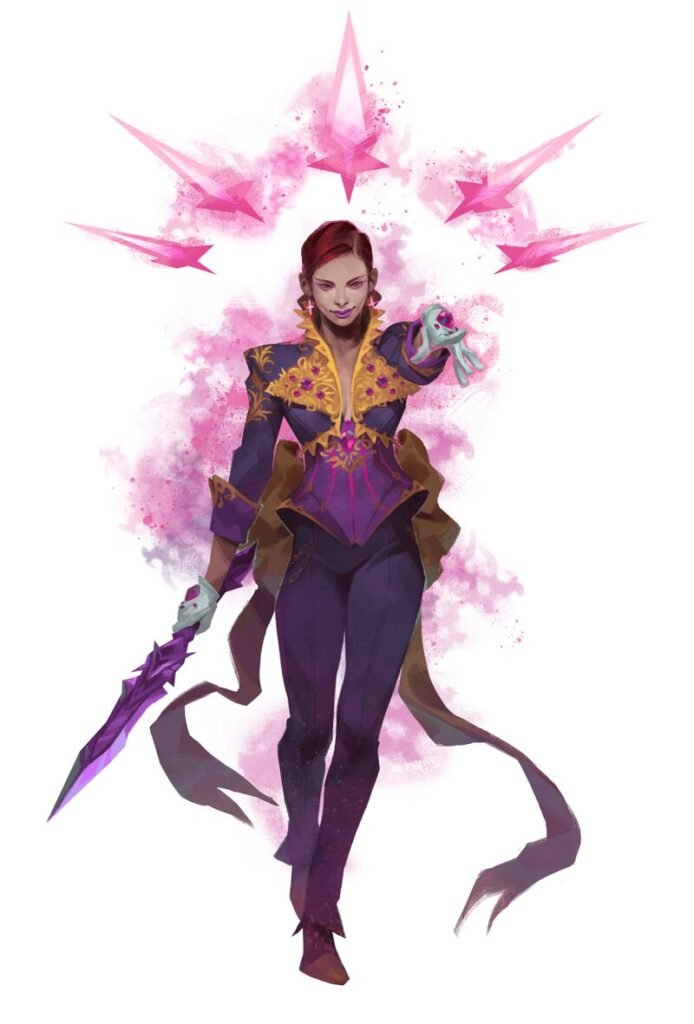
The Power Virtuoso is the cleanest “stand and fire” ranged DPS you can add to a comp. It deletes risky downtime: bladesongs keep damage ticking while you dodge and reposition, and you sidestep a lot of clone babysitting that trips other mesmer builds. On bosses that bully melee, Virtuoso sustains from a safe pocket and still contributes nasty CC when you line up Bladesong Harmony.
Equipment and Build Details:
- Gear Stats: The build primarily uses Berserker’s stats for maximum power damage and critical damage. Mixing in a few Assassin’s stat pieces helps cap critical chance efficiently. Full Berserker’s is viable. The goal is to reach a base critical chance of around 60% which becomes 100% when combined with Fury and trait bonuses.
- Weapons: The current top PvE setup uses Dagger/Sword and Spear (from the Janthir Wilds expansion). The classic and still very strong alternative (if no Janthir Wilds) is Dagger/Sword and Greatsword.
- Relic: Relic of the Scholar is the standard and most effective choice for maximum PvE DPS.
- Key Traits: The core specialization is Virtuoso, typically paired with Domination and Illusions for a balance of critical chance, damage modifiers, and utility. Dueling can be an alternative in highly optimized groups.
Condition Harbinger

The Condition Harbinger is a potent, condition-based damage dealer (DPS) known for its high sustained damage, straightforward rotation, and unique Blight mechanic which reduces its maximum health in exchange for damage bonuses. It performs well in all PvE group content, particularly on fights where bosses are stationary, allowing for maximum condition stacking.
Equipment and Build Details:
- Gear Stats: The build primarily uses Viper’s stats (Condition Damage, Power, Expertise, Precision) for the optimal mix of condition duration and direct damage amplification. Full Viper’s is the standard. If struggling with survivability, some Trailblazer’s pieces can be mixed in at a DPS loss. The goal is to reach a base condition duration of around 80-100% for key conditions like torment, poison, and bleeding.
- Weapons: The standard and most effective setup for maximum damage in PvE is Pistol/Torch on both weapon sets (using a second set for stats/sigils). Scepter/Torch is a viable alternative if weapon master training is not available.
- Relic: Relic of the Sunless is a common choice for increasing condition duration and damage. Alternatives include Relic of Akeem for area of effect (AoE) damage or Relic of the Demon (if conditions can be transferred reliably).
- Key Traits: The core specialization is Harbinger, of course. It is typically paired with Curses and Soul Reaping.
Final Thought
The builds above aren’t fragile contraptions, they’re campaign-tested. They keep groups stable, and, most importantly, they feel good to play across a full night of content. Slot one quickness, one alacrity, fill with DPS that fit the fight, and you’ll tear through raids and strikes with time to spare for WvW borderland shenanigans or a few ranked PvP sets before reset.