
Imagine awakening in a vibrant voxel universe where every block holds potential, every biome conceals treasures, and your creativity determines your destiny. This is Trove, a free-to-play adventure RPG that seamlessly blends Minecraft-inspired building with MMO progression systems. As someone who has journeyed through Trove’s diverse realms since its early days, I can attest that few games offer such satisfying progression loops alongside nearly limitless creative freedom.
Trove stands apart through its unique aesthetic approach—a world built from colorful cubes yet filled with surprisingly deep gameplay systems. The game has evolved significantly since its 2015 debut, with continuous updates adding new classes, biomes, and mechanics. Despite these additions, Trove remains accessible to newcomers while offering enough depth to keep veterans engaged for hundreds of hours.
The Best Beginner Class

Your Trove journey begins with a crucial decision: class selection. With multiple options available, beginners should prioritize straightforward classes that offer balanced gameplay without overwhelming complexity. The Knight exemplifies this philosophy—forgiving health pools, simple melee mechanics, and clear progression make it ideal for learning core game systems. Alternatively, the Candy Barbarian provides excellent survivability through health regeneration mechanics, while the Boomeranger offers versatile hybrid gameplay with its mix of melee and explosive ranged options.
- Starter Recommendation: Begin with the Knight for its balanced defense and offense. Its straightforward mechanics help you learn combat fundamentals without excessive complexity.
- Long-Term Planning: Eventually, you’ll want multiple leveled classes to tackle varied content. Daily class-specific quests encourage roster expansion.
Early Game Progression
Following the Tutorial Path

While experienced gamers often skip tutorials, Trove’s introductory sequence deserves your attention. The guided tutorial efficiently introduces core mechanics: combat, crafting, building, and upgrading. Completing it rewards essential starter gear, mounts, and currency—resources that significantly smooth your initial hours. Moreover, the tutorial establishes narrative context for your adventures, however light Trove’s story may be compared to traditional MMOs.
Post-tutorial, focus on leveling your first character to maximum level (currently 50). This process introduces Trove’s various systems while steadily increasing your power. Dungeon crawling provides the most efficient experience gain—these instanced challenges appear throughout all biomes and offer substantial XP rewards upon completion. As you explore, prioritize reaching dungeon entrances marked on your map; their structured challenges provide better returns than random enemy encounters.
Gear Acquisition and Enhancement

Loot drives Trove‘s progression loop. Equipment drops from defeated bosses and dungeon completions form your primary power source. Early on, use whatever highest-level gear you find, but avoid investing heavy resources into low-tier items. Once you acquire stellar or crystal rarity equipment, begin serious upgrading—these endgame-quality items justify resource investment.
Upgrade prioritization follows simple logic: weapon first, then face and hat accessories. Your weapon contributes most to damage output, directly affecting clear speed and efficiency. Enhancement requires forging materials gathered from disassembling unwanted gear and collecting world resources. Later, gem sockets provide additional stat customization options, allowing specialized builds focusing on critical damage, health, or other attributes.
Recommended Upgrade Priority
| Item Slot | Upgrade Priority | Primary Stat | Resource Efficiency |
|---|---|---|---|
| Weapon | Highest | Damage | Excellent |
| Hat | High | Health | Good |
| Face | Medium | Critical Hit | Moderate |
| Ring | Low (Early Game) | Various | Poor |
Leveling & Power Rank (PR)
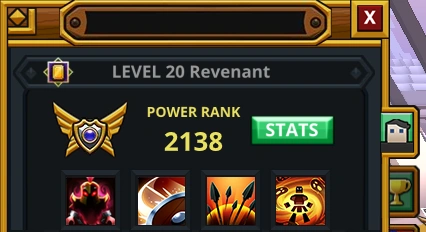
Leveling your class is straightforward (XP from mobs and dungeons). The more subtle limiter is Power Rank — a composite stat made from gear, gems, mastery, dragons, and other unlocks that gates which portals you can enter. PR is fluid: gems and gear upgrades are the fastest PR gains, while Mastery and dragon unlocks are more long-term. Treat PR as your ticket system: focus on the easiest PR gains first (gear upgrades, better gems) so you can enter higher-tier worlds and collect better crafting mats.
- Practical steps:
- Level class to unlock basic abilities (first 10–20 levels matter most).
- Upgrade gear at the Forge and socket gems — gems give big PR jumps.
- Track your PR after each upgrade and step into the next portal only when comfortable.
Discovering Trove’s Biomes
Biome Diversity and Resources
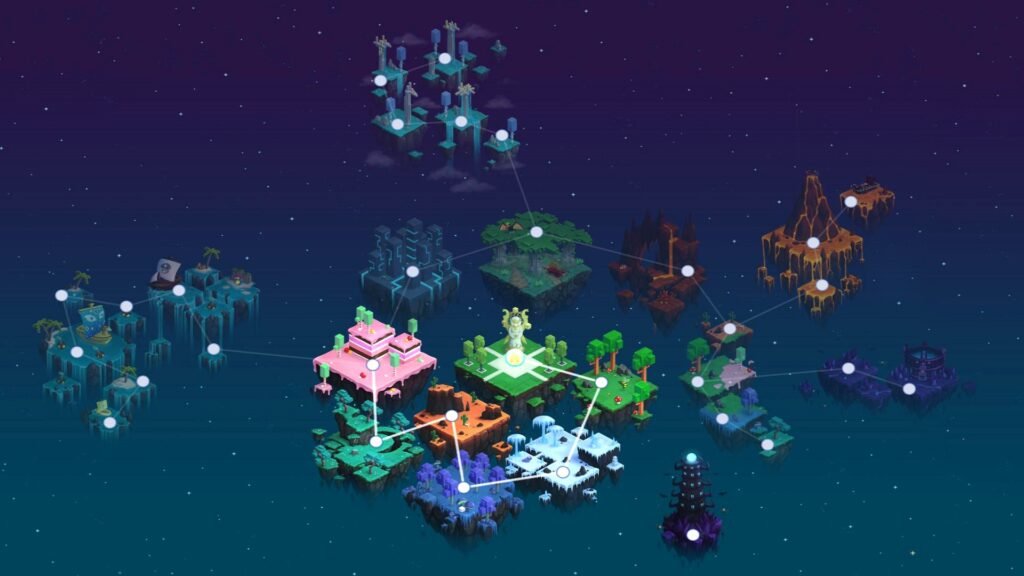
Trove’s universe divides into distinct Biomes, each featuring unique aesthetics, enemies, and resources. Early exploration should sample multiple environments rather than deep diving into one. The medieval highlands offer gentle introductions with relatively weak enemies and basic wood/stone resources. Desert frontiers introduce more dangerous foes but yield precious desert blossoms and other crafting materials.
As your power grows, venture into higher-level zones like the neon cityscape of Cyberian Tundra or the magical Fae Forest. Each biome contains exclusive materials necessary for specific crafts and upgrades. Regular exploration ensures balanced material accumulation, preventing frustrating bottlenecks later. Additionally, fully exploring each zone contributes to mastery rank—an account-wide progression system rewarding persistence with permanent bonuses.
Dungeons Strategies

Dungeons represent Trove‘s primary PVE content. These instanced challenges range from simple enemy rooms to complex multi-stage boss fights. Each completed dungeon rewards experience, loot, and occasionally rare collectibles. Efficient farmers develop routes through high-density dungeon areas, minimizing travel time between objectives.
Successful dungeon crawling requires understanding mechanical patterns. Bosses telegraph their attacks with visual cues—learning these animations prevents unnecessary damage. Bring area-of-effect abilities to clear groups quickly; classes like Neon Ninja excel here. Most importantly, prioritize survival over speed; dying resets progress and wastes more time than cautious advancement.
- Dungeon Types: Recognize dungeon entrances by their unique architecture. Smaller dungeons offer quick completions, while larger “lair” dungeons provide better rewards.
- Group Play: While soloable, dungeons complete faster with groups. The game’s matchmaking system helps find parties for popular farming zones.
- Difficulty Scaling: Higher difficulty dungeons yield better loot but require coordinated groups and optimized builds.
Economy and currency
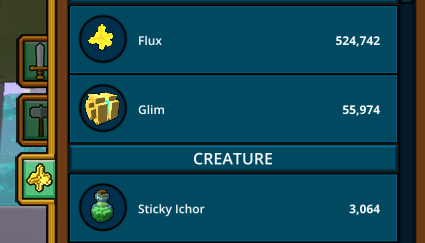
Flux is the core in-game currency used for upgrading and crafting; Cubits and Credits handle cosmetic and convenience purchases. The Trading Post and player markets let you trade goods, but most beginners earn Flux by running worlds, selling drops, and running event content. Keep a modest Flux reserve for gem pushes and forging — the early-game PR gains are often a function of having spendable Flux.
- Money habits:
- Save 10–20% of your Flux for gear/gem emergencies.
- Sell vanity drops you don’t need and purchase essential upgrades.
- Use Club fixtures or player shops to buy scarce mats affordably.
Final Thoughts
Trove presents a vast digital playground where creativity and progression seamlessly intertwine. Your initial hours might feel overwhelming amidst the game’s numerous systems, but persistent exploration reveals satisfying depth beneath its blocky exterior. as you embark on your Trove journey, focus on enjoying discovery rather than maximizing efficiency. Let curiosity guide your exploration; follow mysterious paths, experiment with building mechanics, and engage with the vibrant community.